
The Approval procedure In accordance with the Federal Immission Control Act (BImSchG) and the Water Resources Act (WHG), this plays a key role for companies that operate certain installations or carry out specific activities. It ensures that they meet the legal requirements in the areas of immission control and water law and supports them in complying with the prescribed regulations. Our team at QUBUS offers efficient permit management that guides you through the entire permit process.
Companies that operate certain installations or carry out certain activities must comply with the requirements of the Federal Immission Control Act (BImSchG) and the Water Resources Act (WHG). In the field of immission control, this covers installations or activities listed in Annex 1 of the 4th BImSchV where the quantity thresholds specified therein are exceeded. In the field of water law, this includes, for example, waste water treatment plants with direct or indirect discharge.
Our expertise lies in providing comprehensive support to companies throughout the entire authorisation process in accordance with the Federal Immission Control Act (BImSchG) and the Water Resources Act (WHG). We have many years of sector-specific experience in conducting complex authorisation procedures.
We are aware of the complexity and challenges involved in these processes and offer you our professional and efficient support to ensure that you comply with all the necessary regulations.
If you are planning new installations subject to authorisation, or wish to make changes to existing installations or activities that fall within the scope of the BImSchG or the WHG, it is important to check which specific requirements apply to your business to ensure that you comply with all legal obligations. We can assist you in identifying the relevant requirements for your specific case and will be happy to guide you safely through the authorisation process.
Our services include advice and support on all matters relating to Permit procedures under environmental protection and water legislation. This includes, amongst other things:
We support you throughout the entire approval process and work with you to prepare the necessary documentation for the relevant procedure. In doing so, we work closely with the relevant authorities, experts and project stakeholders to ensure the process runs smoothly.
Our services are aimed at companies that operate certain installations or carry out activities falling within the scope of Annex 1 of the 4th BImSchV (e.g. electroplating plants, anodising plants with an active bath volume > 30 ㎥ or > 1 ㎥ in the case of pickling or etching with nitric acid or hydrofluoric acid) or which fall within the scope of water legislation (e.g. a wastewater treatment plant whose upstream source is an electroplating or anodising plant; storage facilities containing substances hazardous to water). These include, amongst others, companies in the fields of surface treatment, the chemical industry or waste management.
With our expertise and support, you can ensure that you are prepared for the respective Approval procedure comply with all legal requirements and ensure that the environment and people are fully protected. Get some no-obligation advice now 07171 / 10408-0
A permit procedures under environmental protection or water legislation (also known as the complaint procedure) is generally divided into the following phase before submitting an application and into the phase following the submission of the application.
During the phase before submitting an application The scope of the authorisation, and thus the procedure itself, must be agreed with the authority during an application conference. In the case of a planning permission procedure under environmental protection law, Section 13 of the Federal Immission Control Act (BImSchG) – the so-called ‘concentration effect’ – applies; this includes approvals from other specialist areas (building law, water law). During the application conference, it is determined whether any further expert reports are required (e.g. air pollution forecast, noise forecast, fire safety plan).
The application documents are then compiled. To this end, the applicant must provide a rough outline of the project. The application documents are submitted to the relevant authority as a single bundle.
During the phase following the submission of the application The application documents submitted are checked to ensure they are complete. The procedure only begins once the authority has confirmed that the documents submitted are complete. If the documents are incomplete, they must be amended and resubmitted.
In the case of a planning permission procedure involving public participation, the proposed project is publicly announced and the application documents are made available for public inspection. Should third parties raise objections, a hearing may be held to discuss these objections. The procedure concludes with the grant of authorisation. This may be subject to ancillary provisions (requirements or conditions).
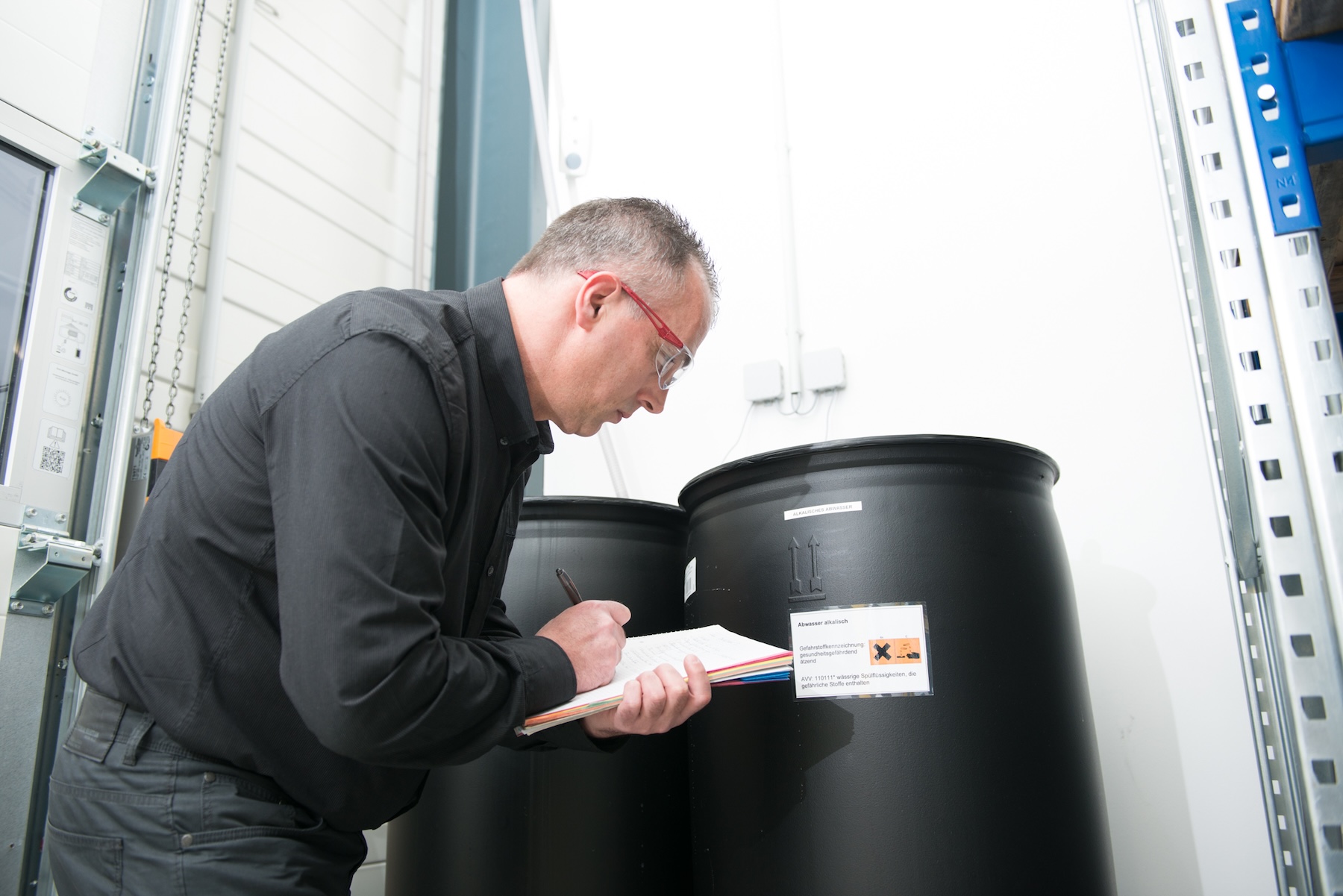
Annex 1 of the 4th BImSchV lists the installations or activities that are subject to authorisation under immission control legislation. Some examples are:
Depending on the planned project, it must be clarified with the relevant authority which authorisation or notification procedure is required. The following procedures may be required:
The scope of the application documents is determined in consultation with the relevant authority at the application meeting. In most cases, the authorities provide so-called checklists and forms. In addition, expert reports may be required (e.g. air pollution forecasts, noise forecasts, fire safety plans).
The processing time for an authorisation procedure by the authority is between 3 and 9 months – depending on the type of procedure applied for (e.g. with or without public consultation). In the case of a notification procedure, the processing time is usually 1 month.
The key factor here is the Completeness the application or notification documents; only then does the relevant procedure commence.
The permit under the Law on the Control of Environmental Emissions is valid indefinitely. The indirect discharge permit under water law is granted for a fixed period.
Benefit from our many years of experience and our expertise in permit procedures under environmental protection and water legislation. As your partner, we’ll guide you through the approval process. Request a quote now 07171 / 10408-0