
Key points at a glance
In traditional manufacturing plants, solvent-based adhesives, paints, thinners and cleaning agents are used on a daily basis. As some of these substances are flammable, this gives rise to specific requirements regarding fire and explosion protection. Operators are tasked with systematically assessing potential hazards and defining appropriate protective measures.
The basis for this is provided by the European ATEX regulations (Atmosphères Explosibles). These set out requirements for equipment, protective systems and work areas where explosive atmospheres may occur. In practice, this concerns both the assessment of potentially explosive areas and their classification into Ex zones, as well as the selection of suitable equipment.
Whether an explosive atmosphere can form when handling solvents depends largely on the properties of the substances used. The most important assessment parameters include:
The flash point is particularly relevant; this can be found in the safety data sheet. If it is not sufficiently higher than the ambient temperature (usually at least 15°C), the formation of hazardous explosive atmospheres must be anticipated. It should also be borne in mind that solvent vapours are heavier than air and can therefore spread close to the floor – for example, in storage rooms.
In addition to the properties of the substance, the way in which solvents are handled plays a crucial role. Factors that influence the potential risk include, amongst others:
Various DGUV information documents and regulations provide guidance on the correct design of workstations and the classification of explosion-protected zones, including:
| Application | Set of rules | Title |
|---|---|---|
| When applying wet paint | DGUV Information 209-046 | Processing of liquid coating materials – fire and explosion protection |
| For cleaning systems | DGUV Information 209-088 | Cleaning workpieces with cleaning fluids |
| General | DGUV Rule 113-001 | A collection of examples illustrating the classification of potentially explosive atmospheres into zones in accordance with TRGS 711 |
Where areas at risk of explosion are identified, the components used there must have the appropriate ATEX approval to ensure that they cannot act as a source of ignition.
In practice, ATEX-relevant equipment frequently exhibits similar technical and organisational shortcomings, for example:
Such vulnerabilities can not only compromise plant safety, but also frequently lead to findings during inspections.
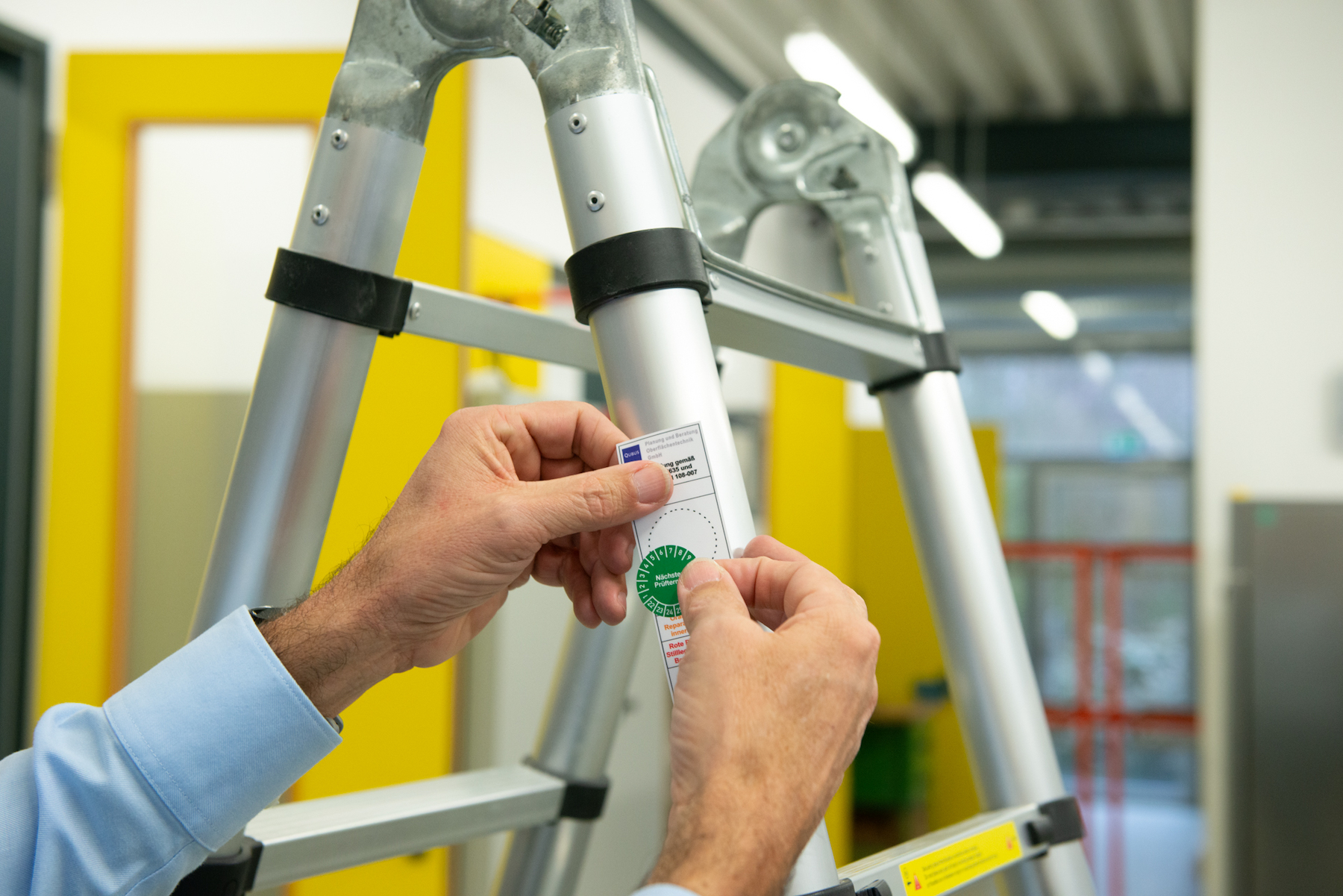
We carry out a preliminary check of your ATEX equipment and identify any typical faults before the inspector does.
The so-called ‘economy humidifier’ is an example of a safety measure for handling solvents. It releases only a controlled amount of solvent, whilst the container otherwise remains tightly sealed. The economy humidifier is one of the measures recommended in various DGUV and BG regulations.
To ensure the safe handling of solvents, a systematic approach is recommended within the workplace:
The safe handling of solvents requires a combination of knowledge of the substances involved, process engineering assessment and regular inspection of the equipment used. QUBUS is here to support you in reliably identifying vulnerabilities and implementing solutions to further reduce the risk of explosions.

Frank Schüle
Graduate Engineer (FH) Head of the Environment, Health and Safety / Fire Safety Department