
Key points at a glance
In Germany, too, there are repeated outbreaks of Legionella, particularly caused by the bacterial species Legionella pneumophila, which can colonise technical water systems. To minimise risks, the 42nd Ordinance Implementing the Federal Immission Control Act (42nd BImSchV) came into force in 2017. This primarily affects businesses that work with water at elevated temperatures – such as electroplating plants or paint shops, particularly those using wet scrubbers.
The regulation requires operators to regularly check whether the water used is free from harmful bacteria. The results must be recorded in the government database KaVKA (Register of Evaporative Cooling Systems).
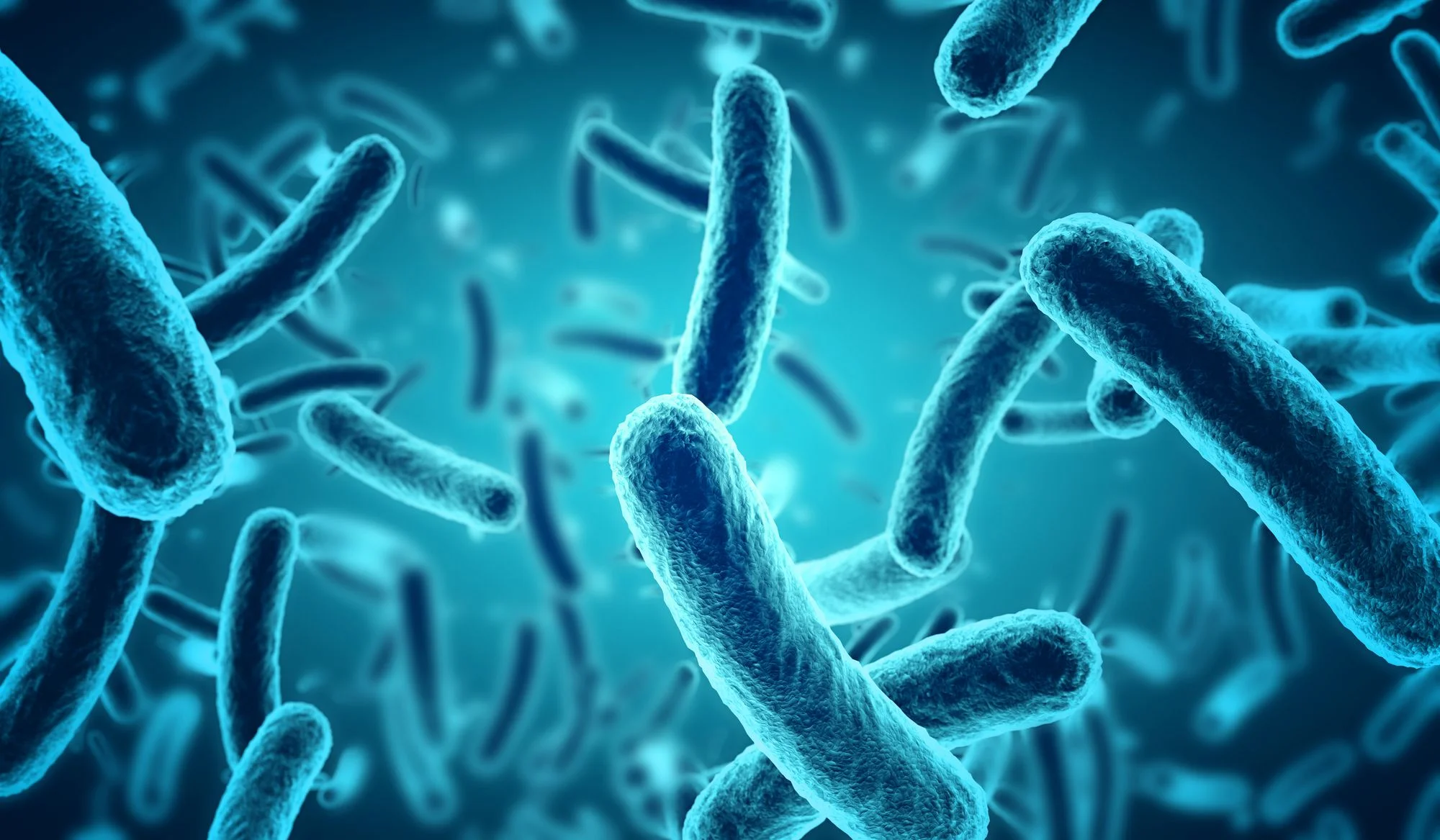
Legionella are aerobic bacteria that thrive in warm water (< 60 °). They often form biofilms with other microorganisms, enabling them to survive in tanks or pipework.
They are the cause of legionellosis (“Legionnaires” disease’), a severe form of pneumonia. Infection occurs through the inhalation of respirable aerosols (< 5 µm). Swallowing contaminated water or human-to-human transmission, on the other hand, does not result in infection.
Typical sources include drinking water systems (e.g. water pipes, such as those leading to showers where water stagnates) or sprinkler systems (e.g. nurseries, car washes). Particular attention is now also being paid to recooling plants, evaporative coolers, wet scrubbers, droplet separators and water walls in paint shops.
The 42nd Ordinance implementing the Federal Clean Air Act is legally binding. It sets out reporting obligations, analytical procedures and the powers of the authorities to carry out inspections, and provides for criminal penalties in the event of breaches.
The Regulation applies to installations in which water is dripped, sprayed or comes into contact with the atmosphere, for example:
Exceptions apply to:
It is precisely the pH value (≤ 4 or ≥ 10) that can, in some cases, mean operators fall outside the scope of application – it is therefore important to assess each case individually.
We will review your asset portfolio, assess any exceptional circumstances and assist you with reporting and documentation.
Action to be taken if values rise or are exceeded
| Coliform bacteria and Legionella spp. per 100 ml | Measures |
|---|---|
| > 100 | – Analysis of the causes; corrective action where necessary – more frequent checks (internal: weekly; external: monthly) |
| > 1000 | – additional immediate measures, e.g. a shock dose of biocide |
| 10.000 | – Identification of the Legionella species – Notification to the authorities – Safety measures (e.g. taking the system out of service, cleaning, changing the water) |
In approximately 70 % of electroplating plants, the pH value is deliberately adjusted ( 10) so that the plant does not fall within the scope of the regulation. This can be done manually, through organisational measures or automatically using probes and dosing pumps.
The remaining businesses are additional measures including, amongst other things:
It is advisable for every business to keep track of necessary deadlines, notifications, inspections and documentation.
The 42nd BImSchV imposes clear obligations on operators of installations that come into contact with water, but also offers opportunities to reduce pollution during operation through targeted measures. Careful self-monitoring, accurate documentation and the involvement of external experts are crucial.
Do you want to ensure that your business reliably complies with all the requirements of the Legionella Regulations?
Our experts will support you with analysis, implementation and documentation – in a practical and efficient manner.

Frank Schüle
Graduate Engineer (FH) Head of the Environment, Health and Safety / Fire Safety Department